


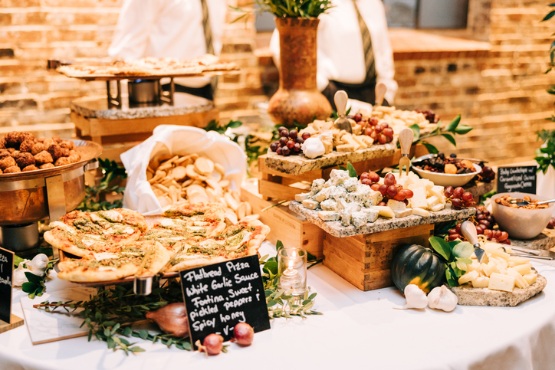
Planning food quantities for a wedding buffet is one of the biggest concerns couples face when organising their reception. Nobody wants guests to leave hungry, but over ordering can also create unnecessary costs and excessive food waste. Finding the right balance is important, especially when catering for large numbers of people with different appetites and dietary preferences.
Unlike formal plated meals where portions are carefully controlled, buffet catering gives guests more freedom to choose what they eat and how much they take. This flexibility is one of the reasons buffets remain so popular for weddings, but it also means careful planning is needed to make sure there is enough food available throughout the event.

The amount of food required will depend on several factors including guest numbers, the time of day, the style of buffet and whether additional evening food will also be served later during the reception.
Your Guest Numbers Will Shape Everything
The starting point for any wedding buffet is understanding your guest numbers as accurately as possible. Final numbers directly affect portion planning, serving quantities and the overall catering setup for the day. Most caterers will work from confirmed guest numbers provided several weeks before the wedding. This allows them to calculate food quantities properly while also accounting for a small amount of extra flexibility to avoid shortages.
It is also important to think about the type of guests attending. Weddings with large numbers of younger adults may require larger portions compared to more mixed age groups. Evening guests should also be factored in separately if additional people are arriving later in the day.
The Time Of Day Affects Portion Sizes
The timing of your wedding meal can significantly affect how much food guests are likely to eat. Afternoon wedding buffets served after a ceremony may require larger portions if guests have not eaten much earlier in the day. Evening receptions often involve lighter buffet options because guests may already have eaten a wedding breakfast beforehand. In these cases, buffet catering is usually designed more as a social food experience rather than the main meal of the day.
Summer weddings can also influence eating habits slightly, with guests often preferring lighter food during warmer weather. Winter weddings may naturally encourage larger portions and more substantial dishes.
Variety Is Just As Important As Quantity
One of the advantages of buffet catering is the ability to offer guests a wider variety of dishes rather than focusing purely on portion size. Most guests appreciate having multiple choices available, particularly at weddings where dietary requirements and personal preferences can vary considerably.
A well planned buffet should include a balanced mix of hot dishes, lighter options, salads and side items so guests can create plates that suit their tastes. Offering variety often makes the buffet feel more generous and enjoyable without necessarily requiring excessive food quantities.
Professional caterers usually help couples create menus that provide enough diversity to keep guests satisfied while ensuring portions remain manageable and well organised throughout service.
Dietary Requirements Need To Be Considered Carefully
Modern weddings almost always include guests with dietary requirements, allergies or specific food preferences. Vegetarian, vegan and gluten free options should be factored into the buffet planning from the beginning rather than treated as last minute additions.
Having suitable alternatives available helps ensure every guest feels included and comfortable during the meal. Experienced caterers will usually recommend allocating dedicated portions for dietary requirements while still maintaining balance across the overall buffet setup. Clear labelling also becomes important at buffet weddings so guests can easily identify suitable dishes without confusion or concern about ingredients.
The Type Of Buffet Changes Food Quantities
Different buffet styles naturally require different serving quantities. A finger food buffet or afternoon grazing table will usually involve smaller portions compared to a full hot buffet designed as the main wedding meal.
Hog roast buffets, BBQ catering and themed food stations may also require different planning because guests often eat larger portions of freshly cooked hot food compared to lighter cold buffet selections.
The style of service matters too. Guests tend to take slightly more food when serving themselves compared to formally plated meals, which is why experienced caterers often build additional allowance into buffet planning calculations.
Evening Food Can Reduce Daytime Buffet Quantities
Many weddings now include a second food service later in the evening once the reception and entertainment are fully underway. Pizza catering,, loaded fries, mini burgers and bacon rolls have all become increasingly popular as evening food options.
If substantial evening catering is being provided, daytime buffet quantities may not need to be quite as large because guests know additional food will be available later.
However, if the buffet is expected to carry guests through the entire day and evening, larger portions and more substantial menu choices are usually needed to keep everyone comfortable and satisfied.
Professional Caterers Help Avoid Food Waste
One of the biggest benefits of working with experienced wedding caterers is their ability to accurately judge food quantities based on previous events and guest numbers.
Over ordering food not only increases costs but can also lead to unnecessary waste at the end of the event. Professional caterers understand how to balance generous portions with practical planning to ensure there is enough food available without excessive leftovers.
Experienced catering teams also know how quickly dishes need replenishing and how to maintain food presentation throughout service so the buffet continues looking fresh and inviting from beginning to end.
Presentation Plays A Major Role In Guest Experience
Guests often judge buffet quality not simply by quantity, but by how the food is presented throughout the event. A well organised buffet that remains stocked, fresh and visually appealing creates a far stronger impression than simply providing oversized portions.
Professional caterers carefully manage how food is displayed and replenished to maintain quality and appearance during service. This creates a more premium dining experience while helping the buffet feel abundant without becoming excessive.
Presentation is especially important at weddings where food forms a major part of the overall guest experience and atmosphere of the reception.
Final Thoughts
Planning the right amount of food for a wedding buffet involves far more than simply multiplying portions by guest numbers. Timing, menu variety, dietary requirements and the overall structure of the wedding day all influence how much catering is needed.
Working with an experienced wedding caterer helps ensure guests are well fed while avoiding unnecessary waste and additional costs. Professional caterers understand how to balance food quantities, service style and presentation to create a buffet that feels generous, organised and enjoyable for everyone attending.
Ultimately, the goal is to provide enough high quality food to keep guests happy while creating a relaxed and memorable dining experience that complements the atmosphere of the wedding itself.
